

Dear Mom,
Find healthcare and other services
Learn to make smart food choices
Learn ways to keep your baby safe
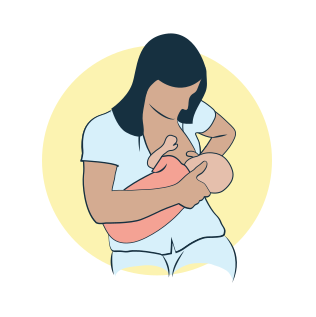
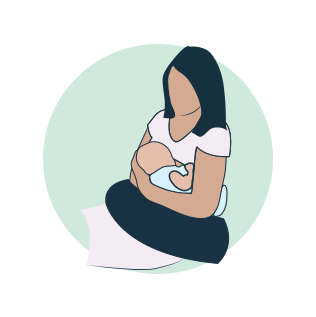
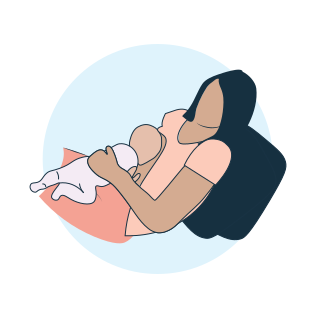
Get support with breastfeeding
Buy healthy foods
WIC can help you learn about healthy eating and support your breastfeeding journey. WIC has nutrition sessions for you and other moms to learn, share ideas, and ask questions. We hope you enjoy your experience with WIC; we are happy to share this special time with you.
Sincerely,
Your WIC staff
Get the Care You Need
Postpartum care is healthcare for women after their baby is born. A healthcare provider or specially trained nurse checks that you are healthy and healing well. Go to all your postpartum checkups.
- Vaccines keep you safe from viruses and diseases like COVID-19, measles, polio, and tetanus.
- Babies will get most of their vaccines by their 2nd birthday. Some vaccines are needed after that.
- Ask your healthcare provider what vaccines you and your baby need.
- It is important to keep up to date on your baby's vaccines.
- Keep a vaccine record for you and your baby. Bring the record with you to all appointments.
Choose Healthy Foods
Moms who feed only breast milk to their baby may need slightly more food. This is a general guide. You may need more or less amounts of food. For a Daily Food Plan that’s designed just for you, visit www.myplate.gov.
Eat regular meals and choose a variety of whole grains, vegetables, fruits, dairy and protein foods.

- 1 slice bread or tortilla
- ½ bagel or hamburger bun
- ½ cup cooked rice, noodles, or cereal
- 1 cup flake-type cereal
- Oatmeal
- Whole wheat bread or rolls
- Brown rice
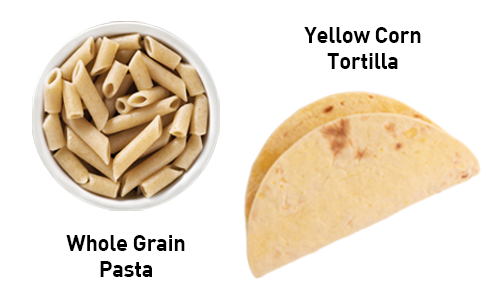
- Whole wheat pasta
- Tortillas (whole wheat or corn)

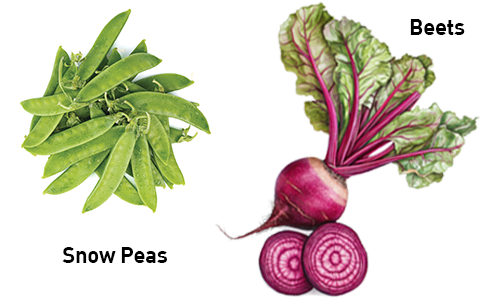
- 1 cup raw or cooked vegetables
- 1 cup lettuce or other leafy greens
- ½ cup vegetable or tomato juice
- Eat many kinds and colors: dark green, orange, red, yellow, purple, and white
- Add to: scrambled eggs, rice, noodles, salads, and casseroles

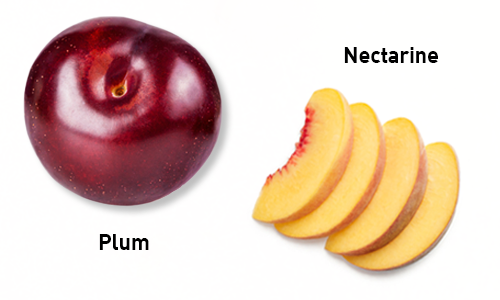
- ½ cup chopped or cooked fruits
- 1 fruit – apple, orange, peach, etc.
- ½ cup 100% fruit juice
- ¼ cup dried fruit
- Eat many kinds and colors: red, yellow, orange, blue, green, purple, and white
- Put sliced or chopped fruit on cereal, pancakes, pudding, and frozen yogurt

- 1 cup milk
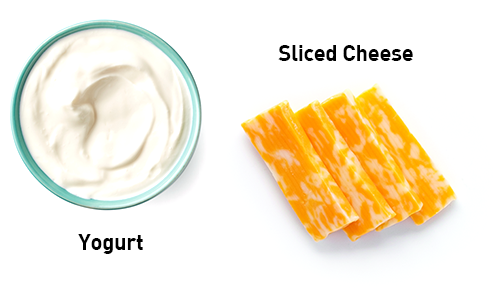
- 1 cup yogurt
- 3 slices (2 ounces) American (processed) cheese
- 1½ ounces cheddar or similar cheese
- ⅓ cup shredded cheese
- 1 cup soymilk
- Choose low-fat or non-fat milk
- A 1½ ounce serving of cheese is the size of 3-4 dice-sized cubes

- 1 ounce meat, chicken, turkey, or fish
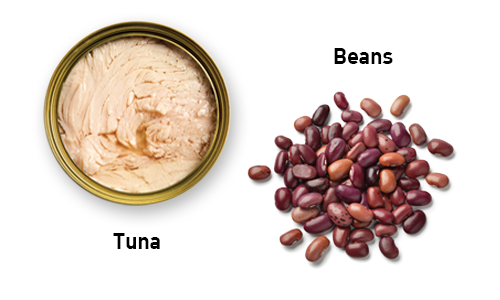
- ¼ cup canned light tuna
- 1 egg
- ¼ cup cooked beans or tofu
- 1 tablespoon peanut butter
- A 3-ounce serving is the size of a deck of cards
- Choose lean meats – bake, broil, or grill them
- Beans are a great source of protein
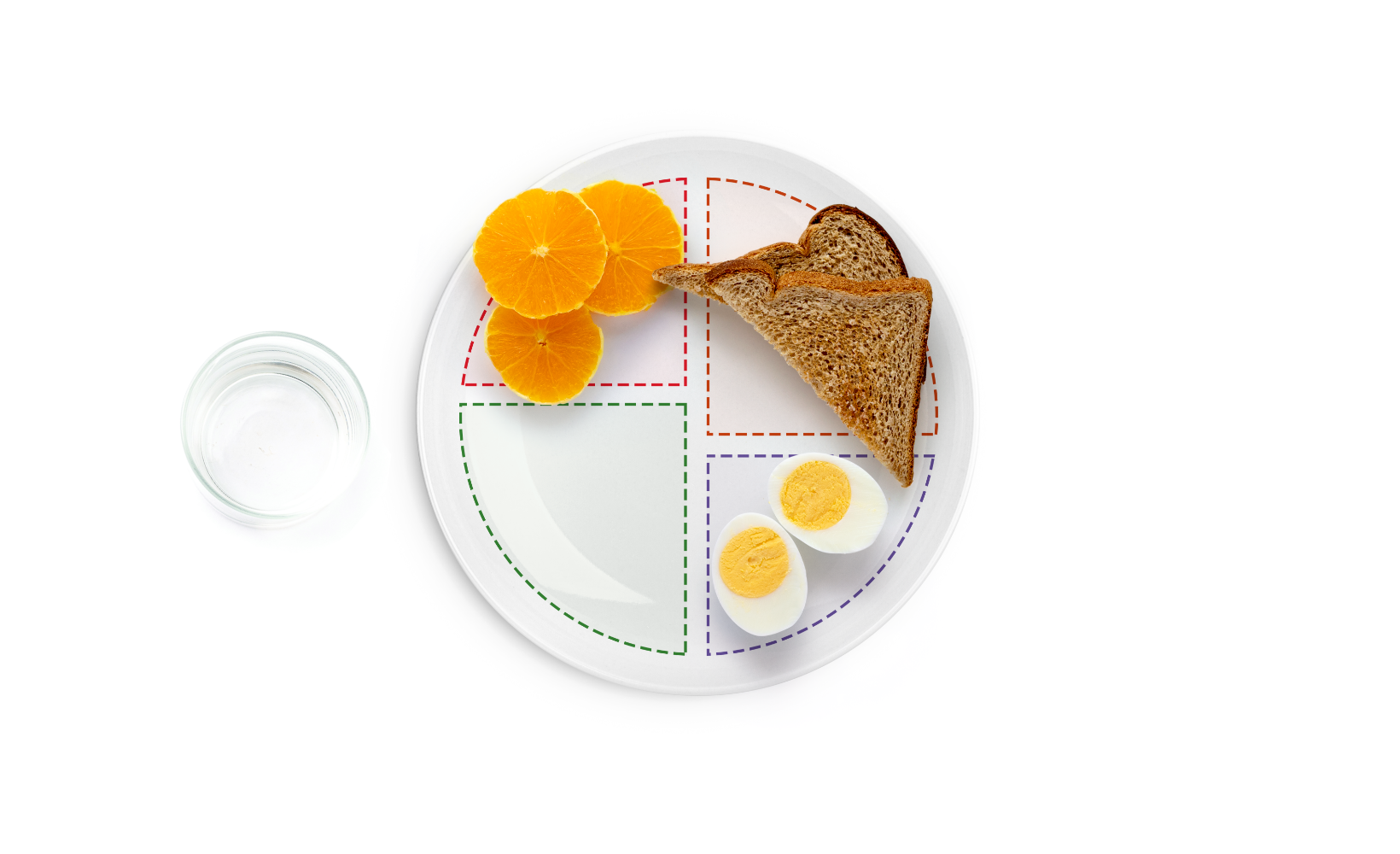
Eat Breakfast, Lunch, and Dinner
A & C
Breakfast
1 cup water
½ sliced orange
1 slice whole grain toast
1 hard-boiled egg
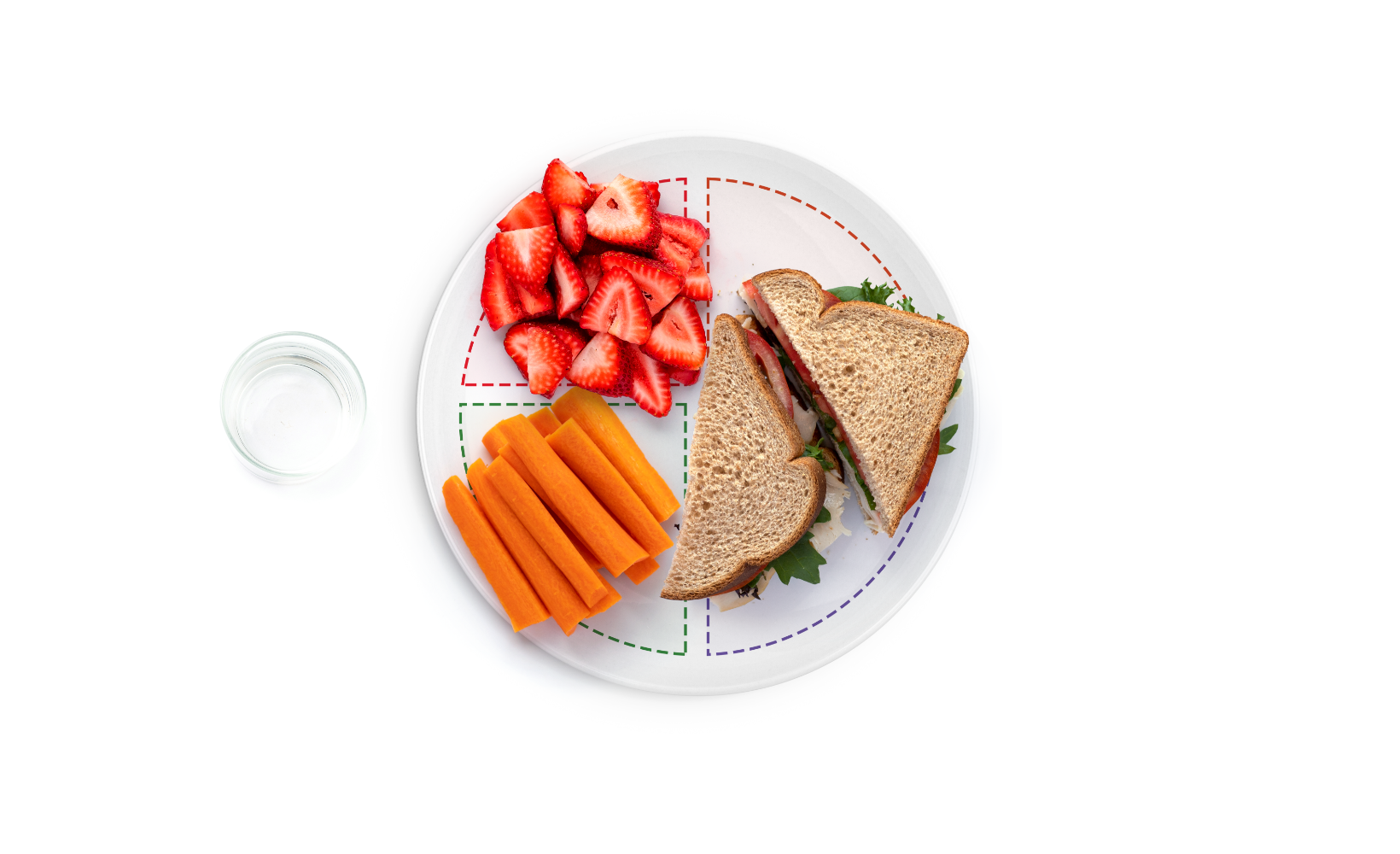
Lunch
1 cup water
½ cup large, sliced strawberries
1 cup sliced carrots
2 slices whole grain bread
with 3 ounces lean deli turkey
with ¼ cup lettuce and ¼ cup tomato
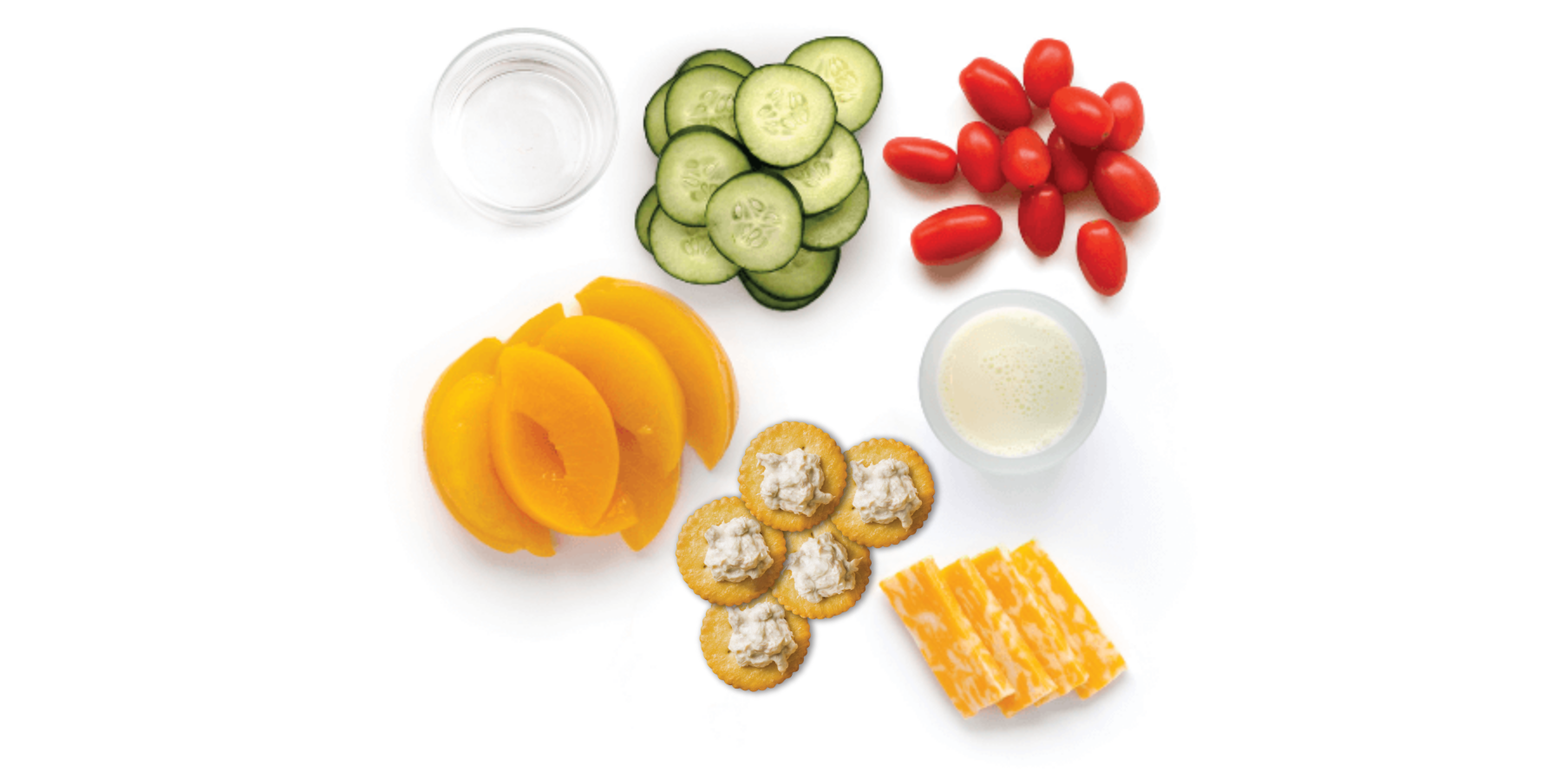
SNACK IDEAS
water between meals and snacks
½ cup sliced cucumbers
½ cup sliced peaches
½ cup cherry tomatoes
1 cup low-fat or non-fat milk
5 or 6 whole grain crackers with tuna
3 or 4 slices cheese
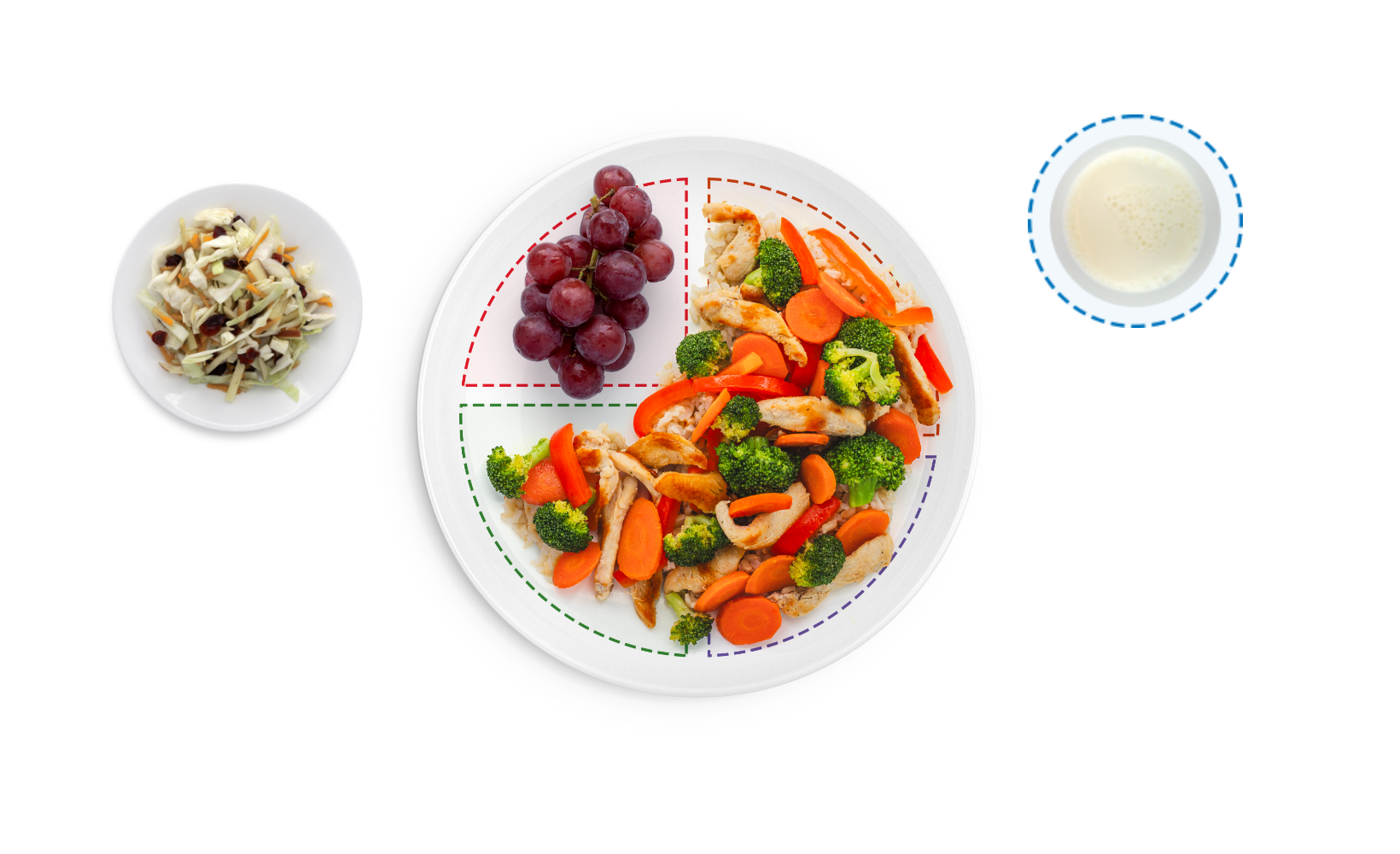
Dinner
1 cup grapes
1 cup Asian slaw
1 cup brown rice
with ½ cup chicken
with 1½ cups vegetables
1 cup low-fat or non-fat milk
Breakfast Ideas
Make time for breakfast. It helps you get through the day. Here are a few ideas.
Choose one or more foods from each group below.
EXAMPLE: English Muffin + Banana + Peanut Butter
- Bagel
- Cereal
- Whole wheat or corn tortilla
- Crackers
-
English muffin
- Oatmeal or grits
- Raisin bread
- Whole grain bread
- Granola or trail mix
- Whole grain waffle
- Applesauce
- Green peppers
- Tomato
- Apple
-
Banana
- Melon
- Orange
- Peach
- Pineapple
- Raisins
- Strawberries
- Low-fat milk
- Low-fat cheese
- Low-fat yogurt
- Egg, cooked
- Nuts (like walnuts)
-
Peanut butter or nut butter
- Hummus
Be Smart About Fast Foods
- Grilled chicken sandwich
- Turkey and avocado sub
- Hamburger or cheeseburger
- Pizza topped with green peppers, tomatoes, and mushrooms
- Baked potato with vegetable and cheese toppings
- Bean burrito
- Fruit
- Water, low-fat milk, or 100% juice
Get Folic Acid Every Day.
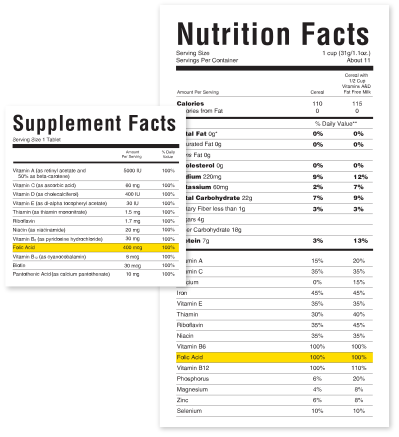
Folic acid is a vitamin that every cell in your body needs. This vitamin might protect you from a heart attack, stroke, and cancer. If you become pregnant again, it protects your unborn baby from birth defects in their spine and brain which develop very early in pregnancy. It is recommended to get at least 400 micrograms (mcg) every day.
- Take a vitamin that has 400 mcg folic acid in it every day.
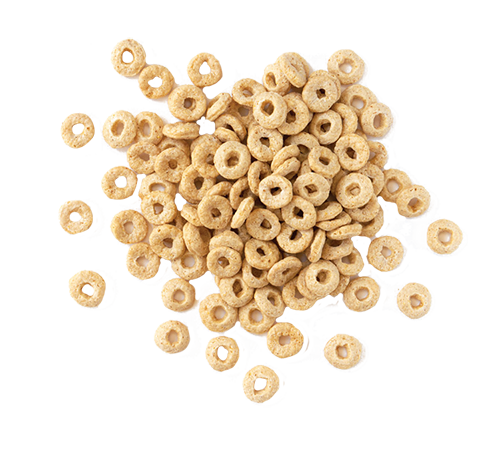
- Eat a bowl of breakfast cereal that has 100% of the daily value of folic acid every day.
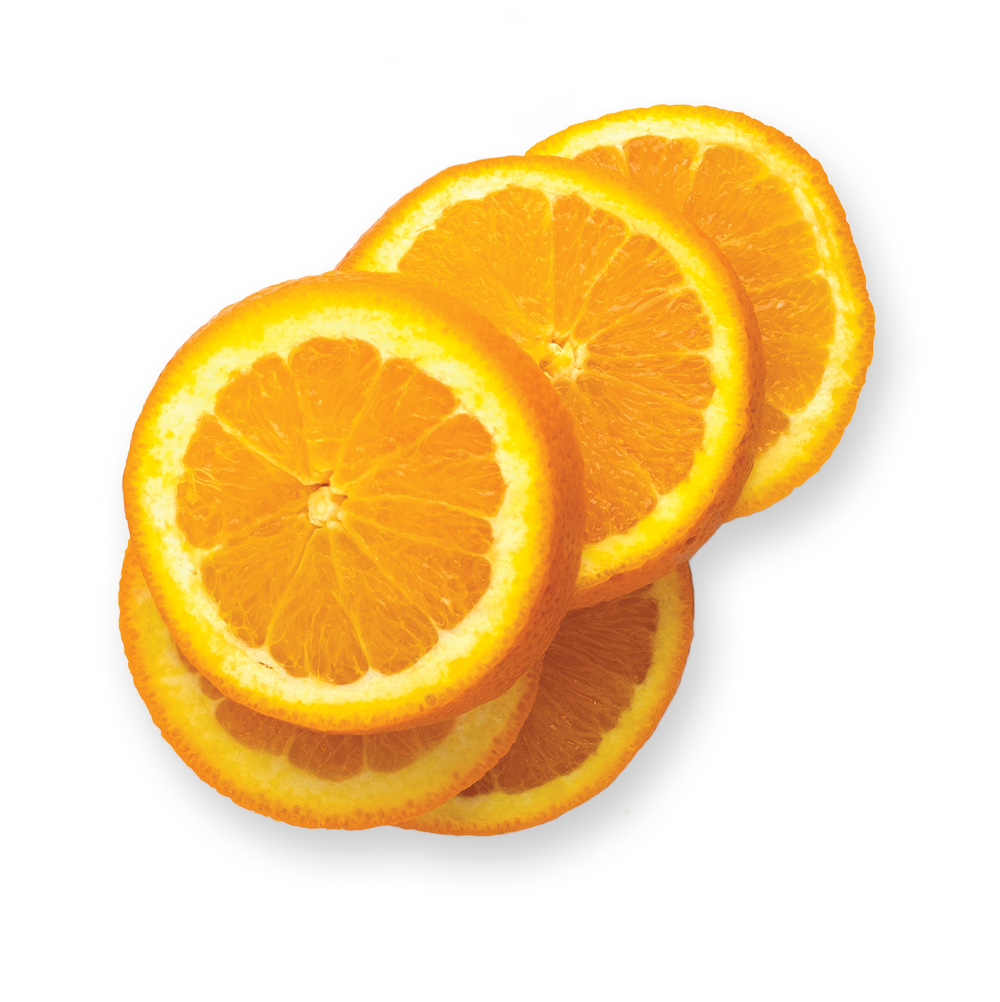
- Add some cantaloupe, oranges, or strawberries to your breakfast.
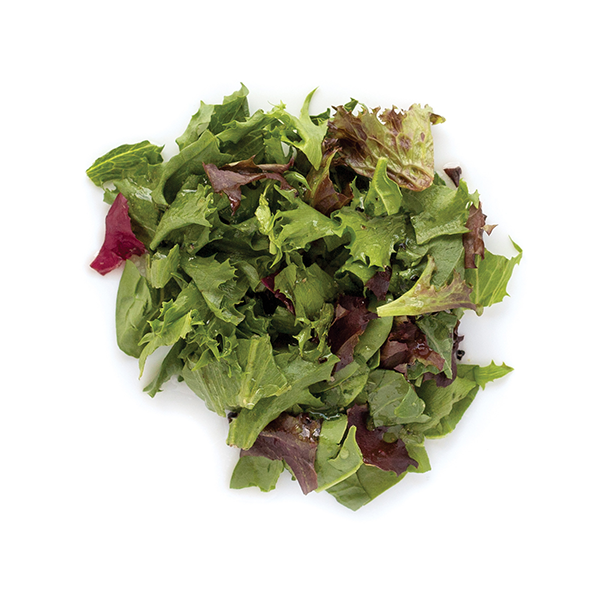
- Choose darker green lettuce and greens, like romaine, green leaf, or raw spinach for salads or sandwiches.
- Have peanuts or peanut butter for a snack.
- Mix up a great tasting dip and use cut up raw veggies like broccoli and cauliflower or use cherry tomatoes and mini carrots for dipping.
WHAT ABOUT IRON?
After childbirth, your body’s iron level may be low. This can make you feel weak and tired.
Your healthcare provider may recommend a vitamin with iron or to continue taking your prenatal vitamin.
- Iron-fortified breakfast cereal
- Cooked dried beans like white beans, lentils, garbanzo beans, or pinto beans
- Lean red meat
- Tofu
- Eggs
- Greens like spinach, collard greens, and mustard greens
- Potato with skin
- Prune juice
- Whole grain bread
Combine iron rich foods with foods high in Vitamin C. Eating these together helps your body absorb more iron from the food you eat.
- Orange juice
- Grapefruit
- Baked potatoes
- Tomatoes
- Peppers
- Broccoli
Small Changes and Healthy Choices Add Up To A Healthier You!

Portion out foods, like crackers, nuts, trail mix, pretzels, cheese cubes, etc., into individual containers or zip-top bags. Better yet, put vegetables in a container for quick healthy snacks with fewer calories.
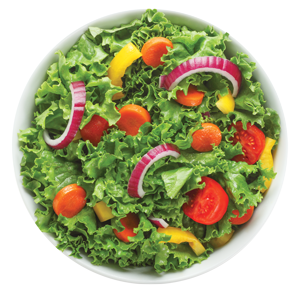
Start a family meal with a bowl of vegetables or salad placed at the center of the table and eat plenty. Serve the main dish in the kitchen. Use the MyPlate guide to fix your plate at www.myplate.gov.
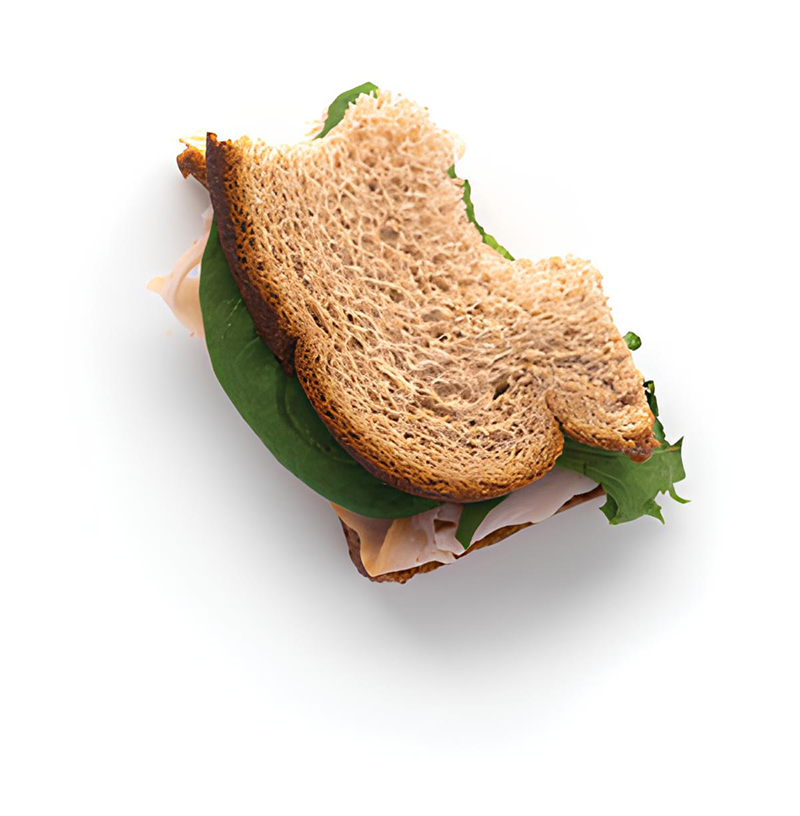
Remind yourself that it’s okay to stop eating before your plate is empty or before everyone is done eating.
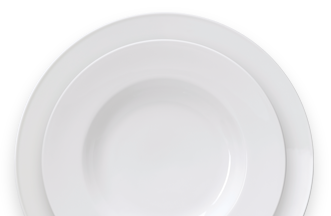
Use smaller plates. Studies show we eat more when we use bigger plates.
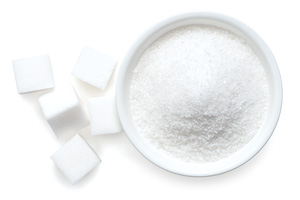
Choose foods with a variety of colors and from a variety of food groups. Decide to choose sweet drinks, cookies, cakes, candies, and ice cream as occasional treats. Limit meats, like ribs, bacon, and hot dogs.
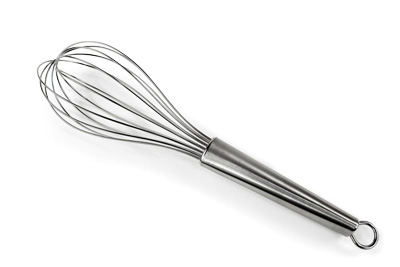
Try healthier recipes that use less fat, sugar, and salt.
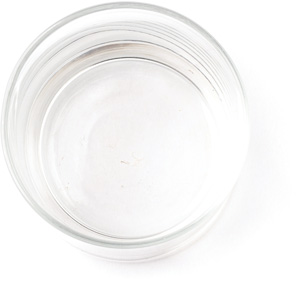
Sometimes we may feel hungry when we are thirsty. Keep water with you throughout the day. Sipping water can help fill you up so you don’t eat as much.
Being active helps too. Staying active helps new moms relieve stress – and having a new baby can be stressful! Ask your doctor when it’s okay to exercise and then start out slow.

Be Active Whenever You Can
- Give you more energy
- Lower stress and help you relax
- Tone your muscles
- Help you look and feel great
Take it easy, at first.
Your body needs to heal. Ask your healthcare provider what you can do and when you can do it.
Start with a 5 or 10 minute walk.
After one week, walk a little longer or farther. Set a goal that works for you.
- March in place when you watch TV or talk on the phone
- Play music and dance
- Ask your friends and family to join you
Change health habits one at a time.
Example:
Cut back to one sweetened beverage a day.
Example:
Eat low-fat yogurt with fruit for breakfast or add raw vegetables at lunch.
Example:
Turn on some music and dance with your baby.
Make Time For Yourself
Enjoy your new baby, but take care of yourself, too.
- Have more energy
- Think clearly
- Heal better
Keep Your Smile Healthy
- Brush your teeth (and tongue) at least 2 times a day.
- Floss your teeth every day.
- Drink water, not sugar-sweetened drinks.
- Get a dental checkup every 6 months.
Postpartum Depression
Most new moms get the Blues. They cry, feel sad, and have mood swings. This can last up to 2 weeks. If the feelings continue and get worse, you could have Postpartum Depression.
If you think you might have Postpartum Depression, talk with your healthcare provider to get help. You deserve to feel well.
If you have thoughts of harming yourself or your baby, get help right away.
Call the Postpartum Support International Helpline at 1-800-944-4773, visit www.postpartum.net, or text 800-944-4773 (English) or 971-203-7773 (Spanish).
Any of these feelings that last more than 2 weeks:
- Feeling very sad
- Crying often
- Don’t want to eat or can’t stop eating
- Can’t sleep or want to sleep all the time
- Don’t want to take care of yourself
- Don’t enjoy life
- Don’t care about your baby
- Feel like you could hurt yourself or your baby
- Afraid to be alone with your baby
- Worrying too much about your baby
- Sit in a chair.
- Put your hands on your stomach.
- Breathe in through your nose as you slowly count to 4. Hold for one second.
- Breathe out through your mouth as you slowly count to 4.
Understanding Your Baby’s Cues
- Keep their hands near their mouth
- Bend their arms and legs
- Make sucking noises
- Pucker their lips
- Search for the nipple (roots)
- Suck slower or stop sucking
- Relax their hands and arms
- Turn away from the nipple
- Push away
- Fall asleep
When I am ready to play.
As your newborn gets older, you will be better able to tell when they are ready to interact, learn, or play.
When your baby is asking you to help them learn more about you and their new world, they may:
- Have a relaxed face and body
- Follow your voice and face
- Reach toward you
- Stare at your face
- Raise their head
When I need something to be different.
As you get to know your baby, you will begin to learn what they are trying to tell you. This takes time.
When your baby needs a break from playing and learning or needs some quiet time, they may:
- Look away, turn away, or arch their back
- Frown or have a glazed look in their eyes
- Stiffen their hands, arms, or legs
- Yawn or fall asleep
Give Your Baby the Best Start – Breastfeed!
Breastfeeding is natural, but may take time and practice. You and your baby are learning in the first 3 weeks. It gets easier after that.
Get your rest. You will have more energy for your baby.
Drink water, milk, and 100% juice when you are thirsty. Have a beverage ready to drink while you breastfeed.
- Cheese and crackers
- Fruit
- Low-fat yogurt
- Nuts and raisins
- Cereal
- Sandwich
- Cheese
- Fruit
- Orange juice with calcium
- Tofu (made with calcium)
- Kale and collard greens
- Other foods fortified with calcium
Call WIC or a lactation consultant if you have questions about breastfeeding.
Join a breastfeeding support group where you can talk with other moms.
Breastfeeding – Good for You, Good for Baby
- Have fewer allergies
- Get sick less often
- Have less diarrhea and constipation
- Have a reduced risk of crib death (SIDS)
- Spend less money on food for baby
- Get back into shape faster
- Have a decreased risk of certain cancers and type 2 diabetes
Tips for feeding formula
Mixing formula is just like following a recipe; mixing ingredients correctly is important. Your baby needs you to follow mixing directions on the can. Remember to always add water to the bottle first and then formula.

If others care for your baby, be sure they know how to correctly mix and prepare the formula.

Throw away formula left in the bottle after a feeding. If you prepare bottles ahead, store them in a refrigerator until you are ready to feed your baby. Prepare just enough bottles for 24 hours.

Formula heated in a microwave can burn your baby’s mouth. Warm the bottle in hot water. The bottle should feel lukewarm – not hot.
Your baby only needs formula in the bottle; never put sweetened drinks or water in your baby’s bottle.
Staying Safe
Smoking or using tobacco or nicotine products can impact your health. Smoke or vapor from cigarettes or vape pens can impact others around you. Smoking around babies or children can increase their risk for colds, ear infections, Sudden Infant Death Syndrome (SIDS), or asthma.
Consider a no smoking rule for your home and vehicles. Ask people to not smoke around you and your baby.
We know how difficult it is to quit or reduce tobacco or nicotine products. If you are struggling to quit or reduce your use, we have resources for you. Visit www.quitnow.net for support with quitting tobacco or nicotine use including free coaching, a free quit plan, and educational materials.
Avoiding alcohol, marijuana, and other drugs is recommended to keep you and your baby or older children healthy and safe. We have resources to support your efforts to stop or reduce your use.
For additional support, contact your local WIC Breastfeeding Peer Counselor or WIC Designated Breastfeeding Expert for breastfeeding questions.