Skip to Content Skip to Footer
WIC Oregon logo
WIC Oregon logo
  • 主頁
  • 女性
  • 嬰兒
  • 兒童
  • 孩子爸爸
  • Chinese (中國人)
    • English (English)
    • Spanish (Español)
    • Russian (Русский)
    • Ukrainian (українська)
    • Vietnamese (Tiếng Việt)
    • Arabic (العربية)
    • Somali (Soomaali)
    • Dari (از)

爸爸的健康育兒指南

  • 家
  • 孩子爸爸
  • 爸爸的健康育兒指南
Supergraphic green
  • 親愛的爸爸
  • 幫助我學習
  • 玩耍時間
  • 一起吃飯
  • 保護閃亮的新牙齒
  • 健康與安全
  • 兒童安全座椅
  • 父親育兒資源

親愛的爸爸,

您在孩子的身心成長過程中扮演著重要角色。

積極參與孩子的生活,無論您是否與孩子生活在一起,都會有很大的不同。

和孩子相處的時間品質比時間的長短更為重要。 您與孩子的關係品質會直接影響孩子的自我價值感。

在有父親積極參與的環境中成長的孩子通常會:

A Plus

39%

在學校的成績大多為 A 的可能性要高出
Hate

2倍

上大學和高中畢業後找到穩定工作的可能性是其他人的

不要將自己與您自己的父親或身邊的其他父親相比較。 您才是孩子崇拜的榜樣!

幫助我學習

孩子會透過觀察父母來學習。有父親積極參與日常學習的孩子更有可能:

做好入學準備
Add icon
更好地解決問題
Add icon
對人更加友善

父母是孩子的第一任老師。您可能沒有意識到,但您每天所做的不起眼的事情就是在教導您的孩子。

您可以透過以下方式幫助孩子學習:
  • 在日常生活中談論周圍的世界。
  • 指出並說出您所看到和聽到的顏色、動物叫聲、字母和數字。
  • 一起參加日常活動,如吃晚飯、外出玩耍、讀書或看電視。儘量減少螢幕時間,將注意力集中在彼此身上。

與孩子在一起,無論是玩耍還是給他們讀書,都能讓他們感到平靜和快樂。

在有父親積極參與的環境中成長的孩子被學校停學或開除的可能性要低 60%。

玩耍時間

與孩子一起活動有助於他們的骨骼生長、肌肉鍛錬和大腦發育。

這裡有一些可以和孩子一起做的有趣活動:
  • 玩一些活躍的遊戲,比如捉迷藏、捉人遊戲、西蒙說,或者舉行賽跑。
  • 一起騎自行車。
  • 練習投球或踢球。
  • 去公園,在操場上玩耍。
  • 孩子每天需要 60 分鐘的活躍玩耍時間。

孩子在玩耍中學習。爸爸的遊戲風格通常與媽媽不同,這沒有關係!

爸爸傾向於鼓勵孩子進行更多的體育活動,這樣可以教導孩子如何:

Oregon_WIC_Icon_control-dial_green
控制憤怒的情緒。
Oregon_WIC_Icon_award-ribbon
鼓勵競爭和冒險。
Oregon_WIC_Icon_slider-adjustment
在保持情緒控制的同時,管理與他人的身體接觸。

一起吃飯

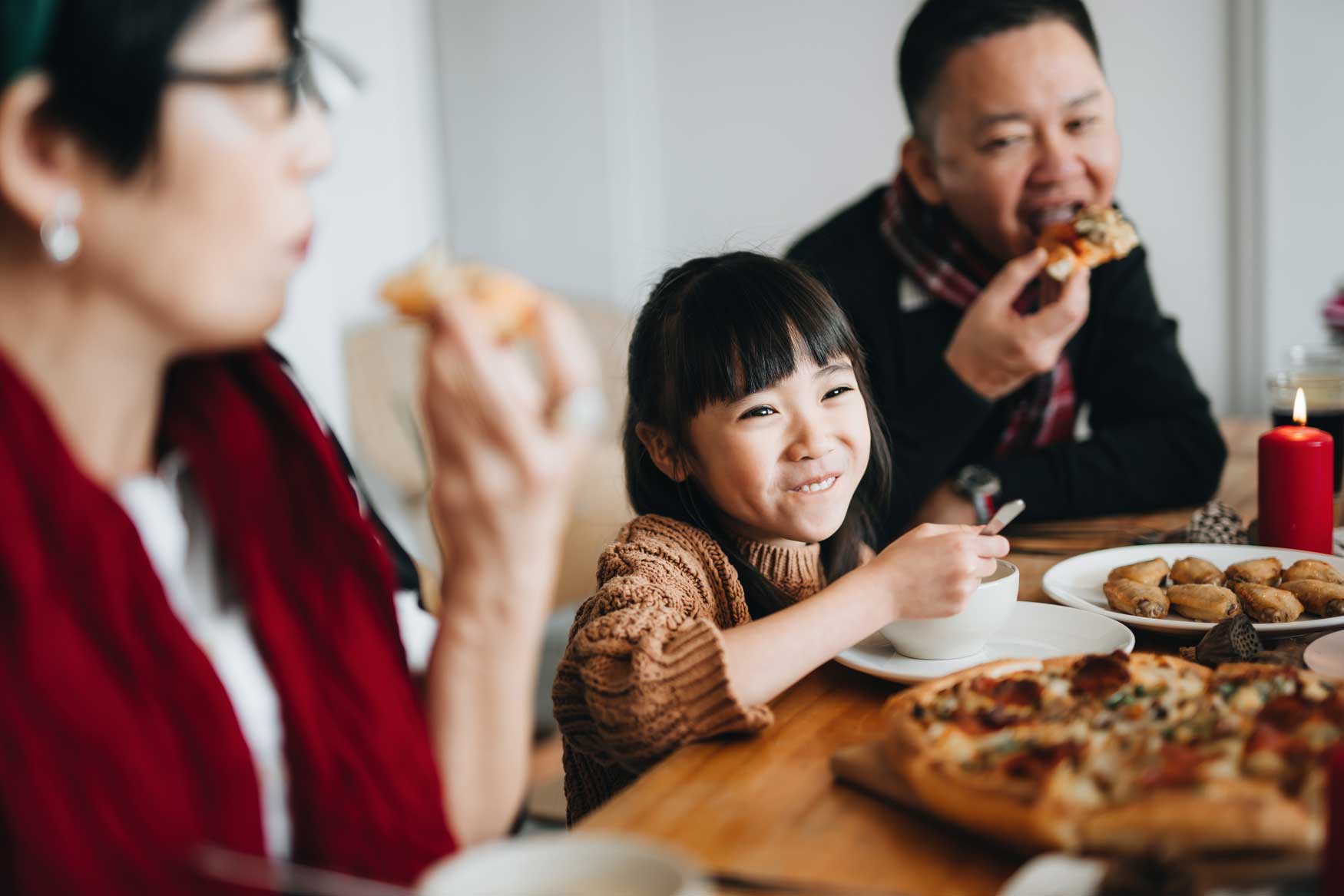
餵養年幼的孩子是一項艱難的任務。與他們一起共同進餐很容易。用餐時爸爸在場對孩子很重要。

用餐時間是進一步瞭解孩子的好時機。詢問孩子一天的情況、他們的朋友以及他們的感受。這樣做是在向孩子表明您很關心他們,他們值得您付出時間和關注。

以下是一些可以讓您在用餐時留下美好回憶的事情。
Eat-together

一家人一起吃飯。

kids-help

讓孩子們來幫忙。他們可以清洗、量取、添加並攪拌食材。

healthy-foods

做個好榜樣!與孩子吃同樣的健康食物。

location-meals

改變用餐地點,在室外用餐、野餐,甚至在咖啡桌旁用靠墊做椅子。

Dad-dau-lunch

將電子設備的螢幕關閉,並放在視線之外,以鼓勵在用餐時進行更多的談話交流。​

當有父親在場或參與其中時,孩子 2倍 罹患肥胖症的風險會降低

保護閃亮的新牙齒

牙齒健康與身體健康同樣重要。請積極保護孩子的牙齒健康。

  • 每天刷兩次牙。 向您孩子的醫療保健提供者或牙醫諮詢應該使用哪種牙膏。
  • 開始與您的孩子一起建立在早晨和睡前刷牙的習慣。 這對他們來說很有趣,他們可以瞭解如何正確地刷牙。
  • 在兩餐和零食之間僅提供水。 您的孩子不需要蘇打水和 Kool-Aid 飲料之類的甜飲料。限制孩子每天的果汁飲用量。

健康與安全

孩子一旦動起來,就好像永遠都停不下來一樣。您的孩子每天都在學習如何做更多的事情。這意味著您可能需要付出更大的努力來保證他們的安全。

  • 當孩子開始騎自行車或滑板車時,要讓他們戴上頭盔。 您要做一個好榜樣,也要戴上頭盔!
  • 當孩子在水裡或靠近水邊時,如浴缸、游泳池或湖邊,一定要陪在孩子身邊。 密切關注孩子,以確保他們在水邊的安全。
  • 確保您的孩子及時接種了所有建議的疫苗。 如果您不確定孩子需要接種什麼疫苗,請致電醫生進行諮詢。
密切關注孩子,以確保他們在水邊的安全。

兒童安全座椅

American Academy of Pediatrics 建議,兒童安全座椅只能用於出行目的。建議在到達目的地後將嬰兒從兒童安全座椅上抱下,尤其是在嬰兒睡著的情況下。

  • 每次行程,無論時間多短,都要使用兒童安全座椅。
  • 根據孩子的體型和年齡使用合適的兒童安全座椅。您通常可以在座椅上找到這方面的資訊。
  • 隨著孩子的成長,兒童安全座椅的設定、位置和類型都需要改變。
  • 學習如何正確安裝兒童安全座椅。以正確的方式為您的幼兒或兒童系好安全帶。

– 安全帶應緊貼身體。
– 滑動夾子的高度應與腋下齊平。
– 當從兩側推動時,兒童安全座椅本身應該幾乎保持不動

如需瞭解有關兒童安全座椅安全性的更多資訊,請造訪:
  • https://www.cdc.gov/child-passenger-safety/about/
  • https://www.nhtsa.gov/vehicle-safety/car-seats-and-booster-seats

在孩子至少兩歲之前,應始終讓他們坐在後向安裝的兒童安全座椅上。即使您的孩子體型較大,也不要急於將其換到前向兒童安全座椅或增高座椅上。

切勿讓兒童坐在安全氣囊前方。安全氣囊會導致坐在前座的幼童死亡。切勿將後向安裝的兒童安全座椅放在安全氣囊前方。

父親育兒資源

全國
National Fatherhood Initiative

www.fatherhood.org

全國負責任父親育兒信息中心

www.fatherhood.gov

211

www.211info.org

瞭解一下您當地的「啟蒙計劃」或學校系統中是否有父親育兒倡議計劃。

WIC Oregon logo

聯絡方式

800 NE Oregon St, Suite 865
Portland, OR 97232
971-673-0040
www.healthoregon.org/wic

瞭解更多

  • 如何申請
  • 尋找診所
  • 我可以在哪裡購物?

資源

  • 俄勒岡州健康計劃
  • WIC 母乳餵養支持
  • 俄勒岡州菸草預防處
  • Oregon 211
  • Food Hero – 食譜
  • facebook
  • Youtube

USDA 是一個平等機會的提供者、雇主和貸款機構。

Cookie Policy隱私權政策

© Brush Art Corporation

  • Email
  • SMS
If you are using multiple emails, separate them with commas.

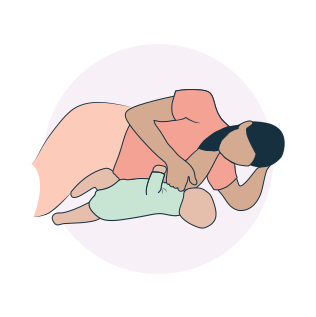
    Side-Lying

    Side-Lying Hold

    1. For the right breast, lie on your right side with your baby facing you.
    2. Pull your baby close. Your baby’s mouth should be level with your nipple.
    3. In this position, you can cradle your baby’s back with your left arm and support yourself with your right arm and/or pillows.
    4. Keep loose clothing and bedding away from your baby.
    5. Reverse for the left breast.

    This hold is useful when:

    • You had a C-section
    • You want to rest while baby feeds
    • You are breastfeeding in the middle of the night
    • You and your baby are comfortable in this position

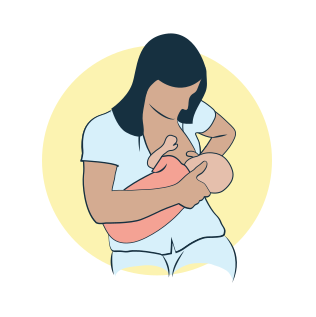
    cross-cradle

    Cross-Cradle Hold

    1. For the right breast, use your left arm to hold your baby’s head at your right breast and baby’s body toward your left side. A pillow across your lap can help support your left arm.
    2. Gently place your left hand behind your baby’s ears and neck, with your thumb and index finger behind each ear and your palm between baby’s shoulder blades. Turn your baby’s body toward yours so your tummies are touching.
    3. Hold your breast as if you are squeezing a sandwich. To protect your back, avoid leaning down to your baby. Instead, bring your baby to you.
    4. As your baby’s mouth opens, push gently with your left palm on baby’s head to help them latch on. Make sure you keep your fingers out of the way.
    5. Reverse for the left breast.

    This hold is useful when:

    • Your baby is premature
    • Your baby has a weak suck
    • Your baby needs help to stay latched
    • Your baby needs extra head support
    • You and your baby are comfortable in this position
    Football

    Clutch or “Football” Hold

    1. For the right breast, hold your baby level, facing up, at your right side.
    2. Put your baby’s head near your right nipple and support their back and legs under your right arm.
    3. Hold the base of your baby’s head with your right palm. A pillow underneath your right arm can help support your baby’s weight.
    4. To protect your back, avoid leaning down to your baby. Bring baby to you instead.
    5. Reverse for the left breast.

    This hold is useful when:

    • You had a C-section
    • You have large breasts
    • You have flat or inverted nipples
    • You have a strong milk let-down
    • You are breastfeeding twins
    • Your baby likes to feed in an upright position
    • Your baby has reflux
    • You and your baby are comfortable in this position

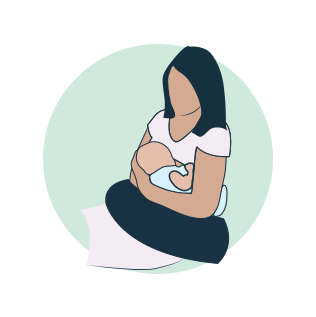
    CRADLE hold

    Cradle Hold

    1. For the right breast, cradle your baby with your right arm. Your baby will be on their left side across your lap, facing you at nipple level.
    2. Your baby’s head will rest on your right forearm with your baby’s back along your inner arm and palm.
    3. Turn your baby’s tummy toward your tummy. Your left hand is free to support your breast, if needed. Pillows can help support your arm and elbow.
    4. To protect your back, avoid leaning down to your baby. Instead, bring your baby to you.
    5. Reverse for the left breast.

    This hold is useful when:

    • Your baby needs help latching on
    • You and your baby are comfortable in this position
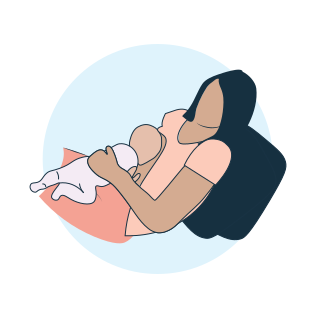
    laid-back

    Laid-Back Hold

    1. Lean back on a pillow with your baby’s tummy touching yours and their head at breast level. Some moms find that sitting up nearly straight works well. Others prefer to lean back and lie almost flat.
    2. You can place your baby’s cheek near your breast, or you may want to use one hand to hold your breast near your baby. It’s up to you and what you think feels best.
    3. Your baby will naturally find your nipple, latch, and begin to suckle.

    This hold is useful when:

    • Your baby is placed on your chest right after birth
    • You have a strong milk let-down
    • You have large breasts
    • You and your baby are comfortable in this position