Skip to Content Skip to Footer
WIC Oregon logo
WIC Oregon logo
  • الرئيسية
  • النساء
  • الرضّع
  • الأطفال
  • الآباء
  • Arabic (العربية)
    • English (English)
    • Spanish (Español)
    • Russian (Русский)
    • Ukrainian (українська)
    • Vietnamese (Tiếng Việt)
    • Chinese (中國人)
    • Somali (Soomaali)
    • Dari (از)

بيان عدم التمييز

  • بيت
  • Nondiscrimination Statement

بيان عدم التمييز

وفقًا لقانون الحقوق المدنية الفيدرالي، ولوائح وسياسات الحقوق المدنية المعنية بوزارة الزراعة الأمريكية (USDA)، يُحظر على USDA ووكالاتها ومكاتبها وموظفيها، وكذلك المؤسسات المشاركة في برامج USDA أو التي تتولى إدارتها، التمييز على أساس العِرق أو اللون أو الأصل القومي أو الدين أو الجنس أو الإعاقة أو العمر أو الحالة الاجتماعية أو الحالة العائلية/الأبوية أو الدخل الآتي من أحد برامج المساعدة العامة أو المعتقدات السياسية أو الانتقام أو الثأر بسبب نشاط سابق يتعلق بالحقوق المدنية، وذلك في أي برنامج أو نشاط تُجريه USDA أو تموله (ولا تنطبق جميع الأُسس على جميع البرامج). تختلف سبل الانتصاف والمواعيد النهائية لتقديم الشكاوى حسب البرنامج أو الواقعة.
يجب على الأشخاص ذوي الإعاقة الذين يحتاجون إلى وسائل بديلة للتواصل للحصول على معلومات البرنامج (مثل طريقة برايل، والطباعة بحروف كبيرة، والتسجيلات الصوتية، ولغة الإشارة الأمريكية، وغيرها من الوسائل) الاتصال بالولاية أو الوكالة المحلية التي تُدير البرنامج، أو التواصل مع USDA من خلال خدمة ترحيل الاتصالات على الرقم 711 (للمكالمات الصوتية والهاتف النصي). إضافة إلى ذلك، قد تتوفر معلومات البرنامج بلغات أخرى غير اللغة الإنجليزية.

لتقديم شكوى تتعلق بالتمييز في أحد البرامج، يُرجى استكمال نموذج الشكوى المعني بالتمييز في برامج USDA، AD-3027، المتوفر عبر الإنترنت بعنوان كيفية تقديم شكوى تتعلق بالتمييز في برنامج وكذلك في أي مكتب من مكاتب USDA، أو بكتابة خطاب موجَّه إلى USDA يتضمن جميع المعلومات المطلوبة في النموذج. لطلب نسخة من نموذج الشكوى، يُرجى الاتصال على الرقم (866) 632-9992. يُرجى إرسال النموذج أو الخطاب مكتمل البيانات إلى USDA عبر: البريد على العنوان الآتي (1) : U.S. Department of Agriculture, Office of the Assistant Secretary for Civil Rights, 1400 Independence Avenue, SW, Mail Stop 9410, Washington, D.C. 20250-9410; أو الفاكس على الرقم (2) : (202) 690-7442; (3) البريد الإلكتروني: program.intake@usda.gov.

  • البريد على العنوان الآتي: U.S. Department of Agriculture,
    Office of the Assistant Secretary for Civil Rights,
    1400 Independence Avenue, SW, Mail Stop 9410,
    Washington, D.C. 20250-9410
  • أو الفاكس على الرقم: (202) 690-7442
  • البريد الإلكتروني: program.intake@usda.gov

USDA جهة توفر تكافؤ الفرص في تقديم الخدمات، والتوظيف، والإقراض.
WIC Oregon logo

تواصل معنا

800 NE Oregon St, Suite 865
Portland, OR 97232
971-673-0040
www.healthoregon.org/wic

تعرَّف على المزيد

  • كيفية التقديم
  • ابحث عن عيادة
  • أين يمكنني التسوّق؟

الموارد

  • خطة أوريغون الصحية
  • دعم الرضاعة الطبيعية ضمن برنامج WIC
  • قسم مكافحة التبغ في ولاية أوريغون
  • Oregon 211
  • Food Hero – وصفات
  • facebook
  • Youtube

USDA جهة توفر تكافؤ الفرص في تقديم الخدمات، والتوظيف، والإقراض.
Cookie Policy سياسة الخصوصية

© Brush Art Corporation

  • Email
  • SMS
If you are using multiple emails, separate them with commas.

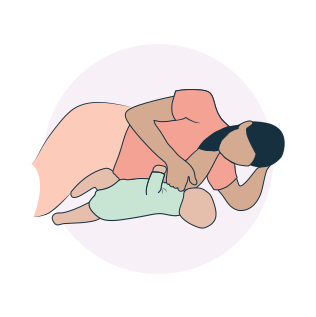
    Side-Lying

    Side-Lying Hold

    1. For the right breast, lie on your right side with your baby facing you.
    2. Pull your baby close. Your baby’s mouth should be level with your nipple.
    3. In this position, you can cradle your baby’s back with your left arm and support yourself with your right arm and/or pillows.
    4. Keep loose clothing and bedding away from your baby.
    5. Reverse for the left breast.

    This hold is useful when:

    • You had a C-section
    • You want to rest while baby feeds
    • You are breastfeeding in the middle of the night
    • You and your baby are comfortable in this position
    cross-cradle

    Cross-Cradle Hold

    1. For the right breast, use your left arm to hold your baby’s head at your right breast and baby’s body toward your left side. A pillow across your lap can help support your left arm.
    2. Gently place your left hand behind your baby’s ears and neck, with your thumb and index finger behind each ear and your palm between baby’s shoulder blades. Turn your baby’s body toward yours so your tummies are touching.
    3. Hold your breast as if you are squeezing a sandwich. To protect your back, avoid leaning down to your baby. Instead, bring your baby to you.
    4. As your baby’s mouth opens, push gently with your left palm on baby’s head to help them latch on. Make sure you keep your fingers out of the way.
    5. Reverse for the left breast.

    This hold is useful when:

    • Your baby is premature
    • Your baby has a weak suck
    • Your baby needs help to stay latched
    • Your baby needs extra head support
    • You and your baby are comfortable in this position
    Football

    Clutch or “Football” Hold

    1. For the right breast, hold your baby level, facing up, at your right side.
    2. Put your baby’s head near your right nipple and support their back and legs under your right arm.
    3. Hold the base of your baby’s head with your right palm. A pillow underneath your right arm can help support your baby’s weight.
    4. To protect your back, avoid leaning down to your baby. Bring baby to you instead.
    5. Reverse for the left breast.

    This hold is useful when:

    • You had a C-section
    • You have large breasts
    • You have flat or inverted nipples
    • You have a strong milk let-down
    • You are breastfeeding twins
    • Your baby likes to feed in an upright position
    • Your baby has reflux
    • You and your baby are comfortable in this position
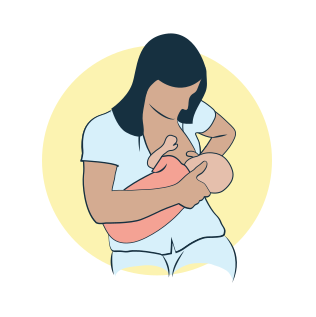
    CRADLE hold

    Cradle Hold

    1. For the right breast, cradle your baby with your right arm. Your baby will be on their left side across your lap, facing you at nipple level.
    2. Your baby’s head will rest on your right forearm with your baby’s back along your inner arm and palm.
    3. Turn your baby’s tummy toward your tummy. Your left hand is free to support your breast, if needed. Pillows can help support your arm and elbow.
    4. To protect your back, avoid leaning down to your baby. Instead, bring your baby to you.
    5. Reverse for the left breast.

    This hold is useful when:

    • Your baby needs help latching on
    • You and your baby are comfortable in this position
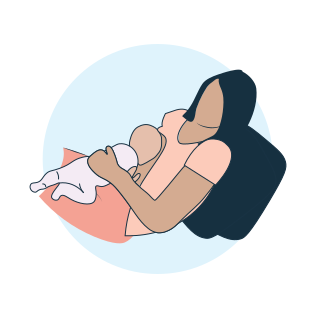
    laid-back

    Laid-Back Hold

    1. Lean back on a pillow with your baby’s tummy touching yours and their head at breast level. Some moms find that sitting up nearly straight works well. Others prefer to lean back and lie almost flat.
    2. You can place your baby’s cheek near your breast, or you may want to use one hand to hold your breast near your baby. It’s up to you and what you think feels best.
    3. Your baby will naturally find your nipple, latch, and begin to suckle.

    This hold is useful when:

    • Your baby is placed on your chest right after birth
    • You have a strong milk let-down
    • You have large breasts
    • You and your baby are comfortable in this position