Skip to Content Skip to Footer
WIC Oregon logo
WIC Oregon logo
  • خانه
  • زنان
  • نوزادان
  • اطفال
  • پدران
  • Dari (از)
    • English (English)
    • Spanish (Español)
    • Russian (Русский)
    • Ukrainian (українська)
    • Vietnamese (Tiếng Việt)
    • Chinese (中國人)
    • Arabic (العربية)
    • Somali (Soomaali)

بیانیه عدم تبعیض

  • خانه
  • Nondiscrimination Statement

بیانیه عدم تبعیض

در مطابقت با قوانین حقوق مدنی فدرال و مقررات و قوانین حقوق مدنی وزارت زراعت ایالات متحده (USDA)، USDA، نمایندگی هایش، دفاتر و کارمندان اش و نهادهای اشتراک کننده در برنامه های USDA یا تطبیق کننده برنامه هایش از تبعیض قائل شدن براساس نژاد، رنگ، منشاء ملیتی، دین، جنسیت، معلولیت، سن، وضعیت تأهل، وضعیت فامیل/والدین، عاید حاصله از یک برنامه کمک عامه، عقاید سیاسی، انتقام گیری برای فعالیت حقوق مدنی قبل در هر برنامه یا فعالیت انجام شده یا تمویل شده توسط USDA ممانعت شده اند (تمام معیارهای بالای تمام برنامه های تطبیق نمیشوند). راه حل های جبران خسارت و ضرب الاجل های درج شکایات براساس برنامه یا حادثه فرق میکند.

افراد دارای معلولیت که نیازمند وسایل بدیل تأمین ارتباط (مانند خط بریل، چاپ با حروف بزرگ، تیپ صوتی، لسان اشاره آمریکایی و امثال آن) به منظور دریافت معلومات در مورد پروگرام هستند، باید با دفتر ایالتی یا محلی که برنامه را اجرا میکنند یا با USDA از طریق خدمات ریلی مخابراتی به شماره 711 (تماس صوتی و TTY) به تماس شوند. برعلاوه، معلومات برنامه به لسان هایی غیر از انگلیسی نیز ممکن در دسترس قرار گیرند.

برای درج شکایت در مورد تبعیض در برنامه، فورم شکایت تبعیض برنامه USDA یعنی فورم AD-3027 را که بصورت آنلاین در آدرس چگونه یک شکایت در مورد تبعیض در برنامه را درج کنیم و در هر دفتر USDA یافت میشود خانه پری کنید یا یک نامه به آدرس USDA بفرستید و در نامه تمامی معلومات درخواست شده در فورم را ارائه کنید. به منظور درخواست یک کاپی از فورم شکایت، با شماره (866) 632-9992 به تماس شوید. فورم تکمیل شده یا نامه عنوانی USDA را ارسال کنید از طریق: (1) پست: U.S. Department of Agriculture, Office of the Assistant Secretary for Civil Rights, 1400 Independence Avenue, SW, Mail Stop 9410, Washington, D.C. 20250-9410; (2) فکس: (202) 690-7442; (3) ایمیل کنید به: program.intake@usda.gov

  • پست: U.S. Department of Agriculture,
    Office of the Assistant Secretary for Civil Rights,
    1400 Independence Avenue, SW, Mail Stop 9410,
    Washington, D.C. 20250-9410
  • فکس: (202) 690-7442
  • ایمیل کنید به: program.intake@usda.gov
USDA یک کارفرما، قرضه دهنده‌ و فراهم کننده فرصت های مساوی است.
WIC Oregon logo

تماس با ما

800 NE Oregon St, Suite 865
Portland, OR 97232
971-673-0040
www.healthoregon.org/wic

بیشتر بیاموزید

  • چگونه درخواست بدهیم
  • یک کلینیک را پیدا کنید
  • من از کجا می توانم خریداری کنم؟

منابع

  • Oregon Health Plan
  • WIC پشتیبانی از شیردهی
  • بخش پیشگیری از تنباکو Oregon
  • Oregon 211
  • قهرمان غذا – دستورهای پخت
  • facebook
  • Youtube

USDA یک کارفرما، قرضه دهنده‌ و فراهم کننده فرصت های مساوی است.

Cookie Policy پالیسی محرمیت

© Brush Art Corporation

  • Email
  • SMS
If you are using multiple emails, separate them with commas.

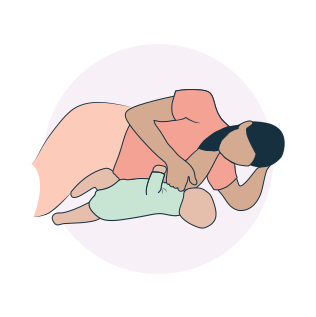
    Side-Lying

    Side-Lying Hold

    1. For the right breast, lie on your right side with your baby facing you.
    2. Pull your baby close. Your baby’s mouth should be level with your nipple.
    3. In this position, you can cradle your baby’s back with your left arm and support yourself with your right arm and/or pillows.
    4. Keep loose clothing and bedding away from your baby.
    5. Reverse for the left breast.

    This hold is useful when:

    • You had a C-section
    • You want to rest while baby feeds
    • You are breastfeeding in the middle of the night
    • You and your baby are comfortable in this position
    cross-cradle

    Cross-Cradle Hold

    1. For the right breast, use your left arm to hold your baby’s head at your right breast and baby’s body toward your left side. A pillow across your lap can help support your left arm.
    2. Gently place your left hand behind your baby’s ears and neck, with your thumb and index finger behind each ear and your palm between baby’s shoulder blades. Turn your baby’s body toward yours so your tummies are touching.
    3. Hold your breast as if you are squeezing a sandwich. To protect your back, avoid leaning down to your baby. Instead, bring your baby to you.
    4. As your baby’s mouth opens, push gently with your left palm on baby’s head to help them latch on. Make sure you keep your fingers out of the way.
    5. Reverse for the left breast.

    This hold is useful when:

    • Your baby is premature
    • Your baby has a weak suck
    • Your baby needs help to stay latched
    • Your baby needs extra head support
    • You and your baby are comfortable in this position
    Football

    Clutch or “Football” Hold

    1. For the right breast, hold your baby level, facing up, at your right side.
    2. Put your baby’s head near your right nipple and support their back and legs under your right arm.
    3. Hold the base of your baby’s head with your right palm. A pillow underneath your right arm can help support your baby’s weight.
    4. To protect your back, avoid leaning down to your baby. Bring baby to you instead.
    5. Reverse for the left breast.

    This hold is useful when:

    • You had a C-section
    • You have large breasts
    • You have flat or inverted nipples
    • You have a strong milk let-down
    • You are breastfeeding twins
    • Your baby likes to feed in an upright position
    • Your baby has reflux
    • You and your baby are comfortable in this position
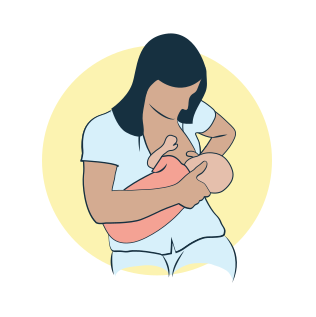
    CRADLE hold

    Cradle Hold

    1. For the right breast, cradle your baby with your right arm. Your baby will be on their left side across your lap, facing you at nipple level.
    2. Your baby’s head will rest on your right forearm with your baby’s back along your inner arm and palm.
    3. Turn your baby’s tummy toward your tummy. Your left hand is free to support your breast, if needed. Pillows can help support your arm and elbow.
    4. To protect your back, avoid leaning down to your baby. Instead, bring your baby to you.
    5. Reverse for the left breast.

    This hold is useful when:

    • Your baby needs help latching on
    • You and your baby are comfortable in this position
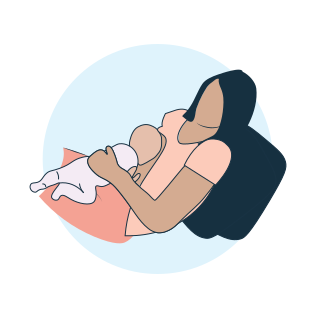
    laid-back

    Laid-Back Hold

    1. Lean back on a pillow with your baby’s tummy touching yours and their head at breast level. Some moms find that sitting up nearly straight works well. Others prefer to lean back and lie almost flat.
    2. You can place your baby’s cheek near your breast, or you may want to use one hand to hold your breast near your baby. It’s up to you and what you think feels best.
    3. Your baby will naturally find your nipple, latch, and begin to suckle.

    This hold is useful when:

    • Your baby is placed on your chest right after birth
    • You have a strong milk let-down
    • You have large breasts
    • You and your baby are comfortable in this position